
The rules of etiquette in internet communications and postings are called:
When someone is ready to take their shot, ensure you are not in their line of sight. Stand to the ball side of the golfer, maintaining a safe distance https://wedoweb.org/. This basic golf etiquette practice prevents distractions and enhances safety.
Until you arrive at the green, if you are ready, hit the ball even if you aren’t away. At the tee and on the green, be ready once it is your turn. If you lose a ball, do not search for a maximum of five minutes.
Basic golf etiquette: If you find yourself in a bunker, use the provided rake to smooth out your footprints and any disturbances in the sand. Leaving bunkers in good condition ensures fairness for all players.
Assess the pace of your play frequently. If you are persistently the slowest in your group, you need to speed up your play. Urge everybody in your group to move rapidly so that you are directly following the group in front of you multiple times that include early and later in the round.
This rule of always yelling ‘Fore’ is essential for ensuring that the golf course remains a courteous and safe environment. Yelling ‘Fore’ notifies other golfers that your ball is heading in their direction, giving them time to move out of the way. It’s also important to be specific when you yell – letting others know whether the ball is going left, right, or straight. This can be especially important in areas with many players so everyone has enough time to react.
Where would an employee find an employers rules of etiquette
Now flip that: what happens when those behaviors are missing? You get tone-deaf emails, eye-rolls in meetings, skipped greetings, and awkward interactions that quietly chip away at your company culture. And let’s face it HR is the one left cleaning up the mess.
This is where workplace etiquette training can play a pivotal role. It helps employees understand unspoken rules and expectations, empowering them to communicate more effectively, build trust, and thrive within a professional ecosystem.
Before rolling it out organization-wide, the company piloted the session with a small team, including L&D leaders. This allowed them to fine-tune the content and delivery approach for maximum relevance and impact.
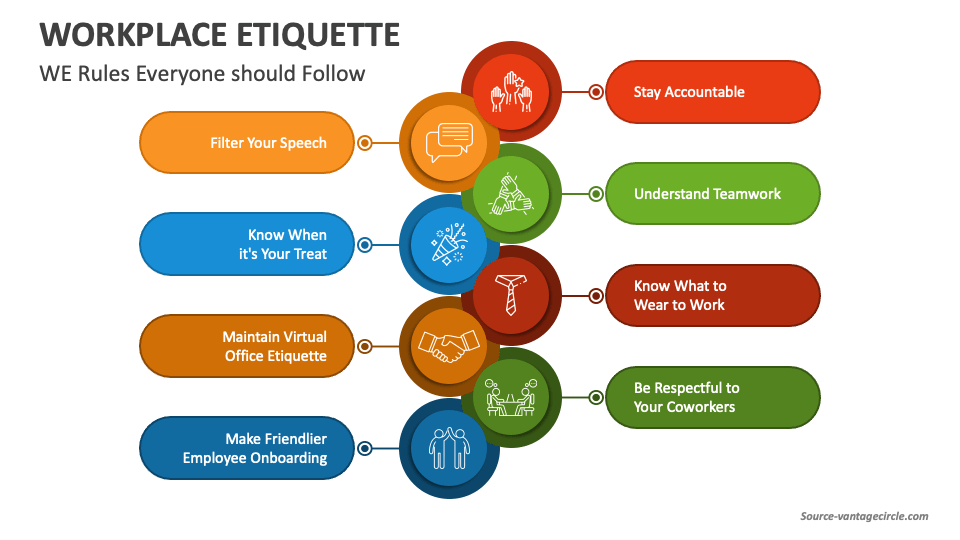
Now flip that: what happens when those behaviors are missing? You get tone-deaf emails, eye-rolls in meetings, skipped greetings, and awkward interactions that quietly chip away at your company culture. And let’s face it HR is the one left cleaning up the mess.
This is where workplace etiquette training can play a pivotal role. It helps employees understand unspoken rules and expectations, empowering them to communicate more effectively, build trust, and thrive within a professional ecosystem.
10 golden rules of email etiquette
Using proper manners in your email communications within a professional setting is essential. It demonstrates respect for the recipient’s time and reflects positively on your business. While writing the email,. It’s always best to steer clear of humor, sarcasm, excessive exclamation points, and writing in all capital letters. Using all caps and too many exclamation marks might give the impression that you’re shouting at the recipient.
If an issue hasn’t been resolved after three back-and-forth emails, it’s time to switch gears. You can use email management tools like Clean Email to keep your inbox organized, so you always know how many emails you’ve sent. Instead of continuing a long email thread that wastes time and causes confusion, pick up the phone or schedule a meeting.
Great tips Swati and you had covered it all. Nowdays so many people use short forms even in professional mails and that looks really annoying. Keeping it short, crisp and using appropriate language is most important points that everyone should keep in mind.

Using proper manners in your email communications within a professional setting is essential. It demonstrates respect for the recipient’s time and reflects positively on your business. While writing the email,. It’s always best to steer clear of humor, sarcasm, excessive exclamation points, and writing in all capital letters. Using all caps and too many exclamation marks might give the impression that you’re shouting at the recipient.
If an issue hasn’t been resolved after three back-and-forth emails, it’s time to switch gears. You can use email management tools like Clean Email to keep your inbox organized, so you always know how many emails you’ve sent. Instead of continuing a long email thread that wastes time and causes confusion, pick up the phone or schedule a meeting.
Great tips Swati and you had covered it all. Nowdays so many people use short forms even in professional mails and that looks really annoying. Keeping it short, crisp and using appropriate language is most important points that everyone should keep in mind.